Utilities infrastructure investment in Indonesia spans electricity, drinking water and waste services. The opportunity is substantial, but each project has a different buyer, revenue contract and approval route. Investors should identify those three elements before choosing a site or establishing a company.
Key Takeaways
- Indonesia’s electricity plan for 2025 to 2034 targets 69.5 GW of new generation capacity. This is a plan, not completed capacity.
- Drinking water projects can use a public-private partnership, known locally as KPBU, with project-specific contracts and payment arrangements.
- Presidential Regulation No. 109 of 2025 governs municipal waste-to-energy development and replaced the previous 2018 framework.
- A foreign investor should check the proposed activity, revenue contract, site rights and applicable licences separately.
Where the Investment Opportunities Are
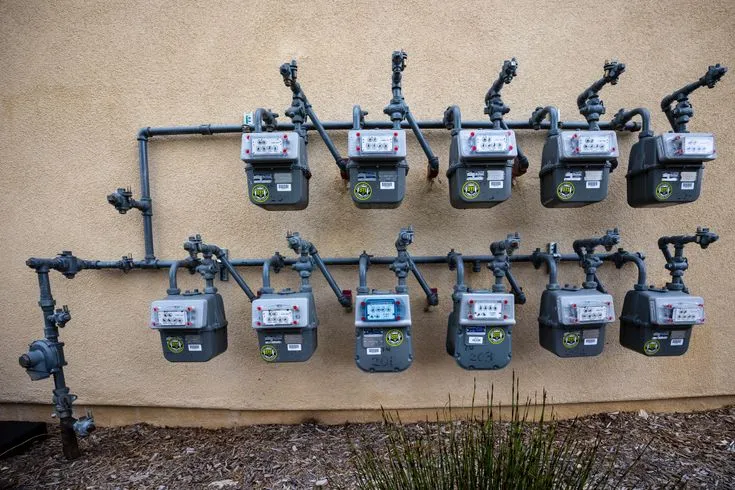
Indonesia’s infrastructure agenda covers several kinds of utilities. The Infrastructure Project Facilitation Office lists water and sanitation, waste management, and clean power among its focus areas. That does not mean every project on an agency list is open for bidding.
Electricity Generation and Grid-Related Services
The Ministry of Energy and Mineral Resources says PLN’s 2025 to 2034 Electricity Supply Business Plan, or RUPTL, targets 69.5 GW of additional generation capacity. Approximately 76% of that planned capacity combines new and renewable energy with storage.
The ministry has also reported a transmission expansion target of 47,758 circuit kilometres. Developers should distinguish a generation opportunity from work supplying equipment, engineering or maintenance to a grid project. The contracting party and permits may differ.
An independent power producer needs a credible route to sell electricity. A contractor needs an executable works contract. A manufacturer needs customers for its equipment. The RUPTL signals planned demand, but it is not an award or a revenue guarantee.
Investors assessing a particular generation technology can read InvestinAsia’s hydropower investment guide. This article focuses on decisions shared across utility project types.
Drinking Water Supply
Water projects may combine a treatment plant, transmission pipes, reservoirs and connections to local distribution networks. A technically sound plant still needs an agreement covering water supply, delivery volumes and payment.
Indonesia’s Ministry of Finance lists the Umbulan drinking water system as a KPBU project. Its project record separates construction, concession and investment recovery terms. Umbulan is a useful example of contract structure, not an invitation to invest in that existing concession.
The World Bank’s account of urban water work in Dumai describes another constraint: improving a utility’s technical performance and creditworthiness alongside physical infrastructure. Investors evaluating a new water project should examine the local utility’s finances as closely as plant capacity.
Waste Services and Waste-to-Energy
Municipal waste infrastructure can involve collection, sorting, treatment or energy recovery. Each activity needs its own commercial model. Electricity sales alone may not answer who supplies waste, transports it or pays for processing.
Presidential Regulation No. 109 of 2025 establishes the current national framework for processing municipal waste into energy using environmentally sound technology. Indonesia’s official legal database records that it revoked Presidential Regulation No. 35 of 2018.
For a closer examination of that project type, see InvestinAsia’s waste-to-energy investment guide. Investors considering collection or treatment services should assess those activities on their own terms.
Choose the Project Route Before Choosing the Company
Utility investors can enter as developers, operators, contractors, equipment suppliers or financiers. These roles carry different obligations. A supplier agreement does not confer the right to operate a public utility, and company registration does not confer a project concession.
| Route | First document to examine | Commercial question | Principal diligence concern |
|---|---|---|---|
| Project developer or operator | Tender terms or proposed project agreement | Who pays for the service, and under what conditions? | Site access, operating duties and contract enforceability |
| Engineering or equipment supplier | Works contract or purchase order | Who accepts the work and pays each milestone? | Technical specifications, delivery and warranty exposure |
| Investor in an existing project | Concession, financial statements and permits | Which rights and liabilities transfer with the investment? | Consent requirements, performance history and remaining term |
For government-backed projects, Presidential Regulation No. 38 of 2015 sets out Indonesia’s KPBU framework. The Ministry of Finance’s project information shows why investors must still read each transaction’s terms. A project listing cannot establish its current procurement stage or the rights a bidder will receive.
Notes from InvestinAsia Consultants
Start with the payment chain. Identify the party that buys the output or service, the contract that obliges it to pay, and the conditions for payment. Only then does a capacity forecast become useful to your project model.
Need an Indonesian entity for your proposed utility role?
Explore the registration scope before committing to a project structure.
Check Licences Against the Activity and Site
Government Regulation No. 28 of 2025 governs Indonesia’s risk-based business licensing system. The official legal database confirms that it replaced Government Regulation No. 5 of 2021. The requirements for a utility project depend on what the company will do and where it will do it.
Define the revenue activity first: power generation, water treatment, waste processing, construction and equipment trading are different businesses. Then check the applicable KBLI classification, foreign investment conditions and OSS requirements for each activity.
A foreign-owned operating business may use a PT PMA where its proposed activities permit foreign investment. Its registration, business identification number and project-specific approvals are separate steps. InvestinAsia’s PT PMA registration service covers company setup and the initial licensing route; the project scope determines further work.
The location also matters. Before committing funds, examine land or site rights, spatial planning, environmental obligations, connections to existing networks and any approval required by the relevant sector authority. An NIB alone does not settle those project questions.
Notes from InvestinAsia Consultants
Describe every planned revenue stream before selecting KBLI activities. A company formed to supply equipment may need a different licensing review if it later intends to own and operate the utility asset. Make that distinction before finalising the deed and OSS profile.
What to Verify Before Committing Capital
Request evidence that matches the project’s stage. A plan needs more work before it becomes a tender; a tender is not a signed contract; a signed contract does not prove that construction or operations have begun.
Revenue and Counterparties
Identify the customer, tariff or payment mechanism, volume assumptions and circumstances that could reduce payment. For a water project, check how treatment and local distribution responsibilities meet. For waste, check who must deliver usable feedstock.
Technical and Site Readiness
Ask for the underlying resource studies, engineering scope, connection plan and site documents. Compare promised capacity with the assets required to deliver it. Budget separately for construction, commissioning and ongoing operation.
Legal and Financial Exposure
Review the tender or concession, permits, financing conditions and allocation of construction and operating risk. Check whether a proposed government support measure applies to this transaction. Do not assume that a national programme gives every project the same terms.
This screening gives investors a practical way to compare electricity, water and waste opportunities. It also separates a genuine project from a broad sector forecast. Companies evaluating computing or connectivity assets can use InvestinAsia’s separate digital infrastructure investment guide.
Ready to map your project activity to an Indonesian company?
InvestinAsia can help scope PT PMA setup and the licensing questions to resolve next.
- Ministry of Energy and Mineral Resources. (2025). Minister announces PLN Electricity Supply Business Plan 2025 to 2034. Retrieved from
https://www.esdm.go.id/id/media-center/arsip-berita/menteri-esdm-umumkan-ruptl-pln-2025-2034-serap-lebih-dari-17-juta-tenaga-kerja-baru - Ministry of Energy and Mineral Resources. (2025). Strategy to strengthen energy security. Retrieved from
https://esdm.go.id/id/media-center/arsip-berita/wamen-yuliot-ungkap-strategi-penguatan-ketahanan-energi - Infrastructure Project Facilitation Office. (n.d.). Infrastructure project facilitation priorities. Retrieved from
https://ipfo.kemenkoinfra.go.id/ - Ministry of Finance. (n.d.). Umbulan drinking water supply public-private partnership project. Retrieved from
https://kpbu.kemenkeu.go.id/proyek/detail/81-sistem-penyediaan-air-minum-umbulan - World Bank. (2025). Turning the tide: Dumai’s journey to clean water in Indonesia. Retrieved from
https://www.worldbank.org/en/news/feature/2025/11/12/turning-the-tide-dumai-journey-to-clean-water-in-indonesia - Government of Indonesia. (2015). Presidential Regulation No. 38 of 2015 on public-private partnerships in infrastructure provision. Retrieved from
https://peraturan.bpk.go.id/Details/41764/perpres-no-38-tahun-2015 - Government of Indonesia. (2025). Government Regulation No. 28 of 2025 on risk-based business licensing. Retrieved from
https://peraturan.bpk.go.id/Details/319773/pp-no-28-tahun-2025 - Government of Indonesia. (2025). Presidential Regulation No. 109 of 2025 on municipal waste processing into renewable energy. Retrieved from
https://peraturan.bpk.go.id/Details/334718/perpres-no-109-tahun-2025