Indonesia is accelerating its 5G network deployment, led by the Ministry of Communication and Informatics (Kominfo), with major operators like Telkomsel and supported by global technology providers. For foreign investors, this signals a high-growth opportunity in Southeast Asia’s largest digital economy, where telecom infrastructure, spectrum allocation, and enterprise demand are rapidly evolving.
Overview of 5G Rollout in Indonesia
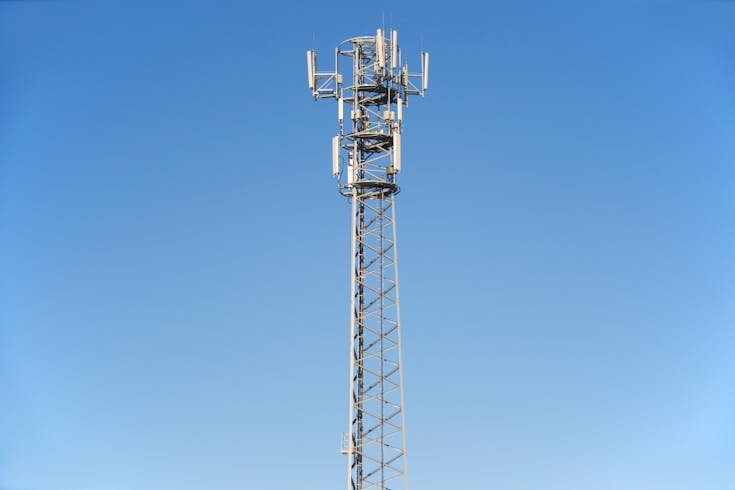
Indonesia began its 5G rollout in 2021, focusing on major cities such as Jakarta and Surabaya. The government uses a phased strategy to ensure efficient investment and infrastructure readiness.
This rollout includes:
- Urban-first deployment
- Expansion into industrial zones
- Gradual rollout into secondary cities
This approach enables sustainable network densification while managing capital expenditure effectively.
Regulatory Framework and Spectrum Strategy
Indonesia’s 5G ecosystem is governed by policies from Kominfo, covering licensing and spectrum allocation. Key frequency bands include 2.3 GHz and future expansion into 3.5 GHz and mmWave.
Foreign investors can enter through:
- Infrastructure partnerships
- Technology collaboration
- Joint ventures with local telecom players
This controlled openness creates a balanced investment environment.
Infrastructure Challenges and Investment Needs
Indonesia’s geography creates strong demand for telecom infrastructure investment, particularly in fiber backbone and tower deployment.
Key gaps include:
- Nationwide fiber connectivity
- Data center expansion for latency optimization
- Network densification in non-urban areas
This is where 5G becomes more than telecom. It becomes part of a broader transformation.
To understand how this infrastructure demand fits into the bigger sector outlook, you should explore Telecommunication Industry in Indonesia: Outlook and Opportunities, which explains market structure, key players, and long-term growth drivers.
Investment Landscape and Opportunities
From our experience at InvestinAsia, Indonesia’s telecom sector continues to attract strong foreign direct investment, with the Indonesia Investment Coordinating Board (BKPM) identifying it as a priority sector.
Key investment areas include:
- Passive infrastructure (towers, fiber)
- Active telecom equipment
- Data centers and cloud ecosystems
- IoT and smart city solutions
These opportunities are not isolated. They are deeply connected to Indonesia’s digital expansion.
For a broader perspective, we recommend reading Complete Guide to Indonesia’s Digital Economy, which shows how 5G supports sectors like fintech, e-commerce, and logistics.
Strategic Rollout: Where Investors Should Focus
To maximize returns, investors should align with Indonesia’s rollout priorities:
Urban and Industrial Clusters
These areas offer immediate ROI due to high demand.
Smart Cities and IoT Ecosystems
5G enables real-time systems in transportation, energy, and governance.
Enterprise and Private Networks
Manufacturing and logistics sectors are adopting private 5G for automation.
Latest Update: 5G Rollout Progress in 2026
As of 2026, Indonesia is entering a more mature phase of 5G deployment.
Key updates include:
- Government prioritization of industrial 5G use cases
- Planned spectrum auctions to accelerate investment
- Expansion into more than 30 cities and regions
- Integration with national fiber and connectivity programs
This signals stronger regulatory clarity and growing enterprise demand, making the market more attractive for foreign investors.
The Future: 5G as a Catalyst for Digital Growth
5G is not just about faster internet. It is the foundation for Indonesia’s next wave of innovation, enabling IoT, AI, and real-time digital services.
To understand the full impact, we recommend continuing with our in-depth analysis on the impact of 5G on IoT, telecommunications, and digital business growth in Indonesia, where we break down real use cases, industry transformation, and long-term opportunities.
FAQs
What is the current status of 5G in Indonesia?
5G is expanding from major cities into industrial and regional areas, with broader rollout expected through 2026 and beyond.
Can foreign investors invest in Indonesia’s 5G sector?
Yes, through partnerships, infrastructure investment, and technology collaboration.
What are the main opportunities in 5G investment?
Infrastructure, data centers, telecom equipment, and IoT ecosystems.
Why is 2026 a key year for 5G in Indonesia?
It marks a transition to large-scale deployment, spectrum auctions, and industrial adoption.
What are the main challenges in 5G deployment?
Regulatory complexity, capital requirements, and infrastructure gaps.
References
- https://www.komdigi.go.id/berita/siaran-pers/detail/investasi-digital-dorong-akselerasi-5g-indonesia-targetkan-100-mbps-di-2029
- https://jdih.komdigi.go.id/produk_hukum/view/id/764/t/peraturan+menteri+komunikasi+dan+informatika+nomor+2+tahun+2021
- https://www.ericsson.com/4aca6f/assets/local/reports-papers/mobility-report/documents/2025/ericsson-mobility-report-november-2025.pdf
- https://www.cnbcindonesia.com/tech/20240115123456-37-505000/perkembangan-5g-di-indonesia