Indonesia is actively transitioning toward a circular economy as a national strategy to drive sustainable growth, reduce waste, and create new industrial value. Led by institutions such as Bappenas, the government integrates circular principles into development frameworks like RPJMN 2020–2024 and Indonesia Vision 2045. The core idea is simple: maximize resource use, extend product lifecycles, and minimize waste across the entire value chain.
Unlike the traditional linear model “take–make–dispose,” circular economy systems prioritize reuse, recycling, and regeneration, turning waste into economic assets.
Market Conditions: Why Circular Economy Matters Now
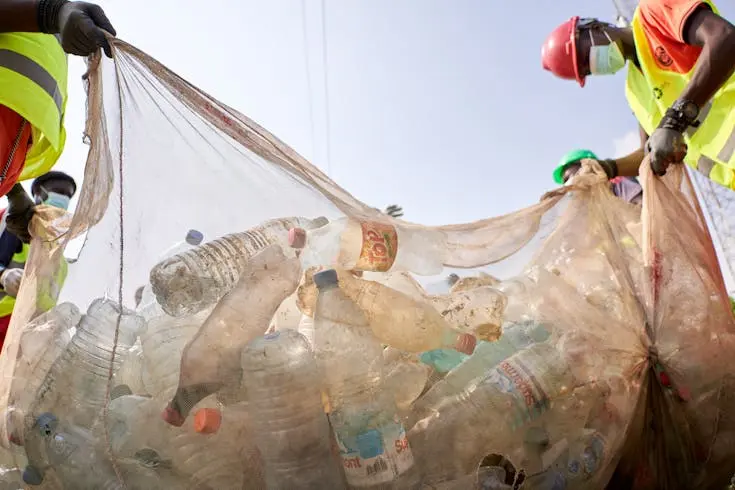
Indonesia faces a growing waste challenge, particularly in plastics and urban waste, driven by rapid urbanization and consumption. At the same time, this challenge creates a massive economic opportunity.
The government has identified five priority sectors:
- Food and beverage (packaging)
- Plastics
- Textiles
- Construction
- Electronics
These sectors are critical because they generate high waste volumes but also offer strong recycling and circular value potential.
For example, organic waste is now being converted into animal feed and fertilizer through circular systems in public programs, showing scalable business models already in action.
If you are exploring opportunities, you can deepen your understanding through related insights such as:
- Recycling industry in Indonesia
- Waste management industry Indonesia
Government Initiatives and Regulatory Landscape
Indonesia’s circular economy push is strongly policy-driven. One of the most impactful frameworks is Extended Producer Responsibility (EPR), which requires companies to manage their products even after consumption.
This policy reshapes business models by integrating:
- Product design for recyclability
- Sustainable material sourcing
- End-of-life waste management
Additionally, the government collaborates with international partners through initiatives like the InCircular Project, which strengthens regulatory frameworks, improves waste systems, and builds industry capacity.
Circular economy development is also embedded in broader sustainability goals, including ESG compliance and green industry development.
To understand the regulatory environment more deeply, explore:
- ESG Regulations in Indonesia: Latest Policies and Compliance Guide
Business Opportunities for Foreign Investors
Indonesia’s circular economy is still in an early but rapidly scaling phase, making it highly attractive for foreign investors.
Key opportunities include:
- Recycling and material recovery facilities
- Waste-to-energy infrastructure
- Sustainable packaging manufacturing
- Circular supply chain platforms
- Green construction materials
The transition also aligns with global sustainability standards, helping businesses remain competitive in international markets, especially with regulations like carbon border taxes.
For a broader perspective, see:
- Top Sustainable Investment Opportunities in Indonesia by Sector
Challenges to Consider
Despite strong momentum, several challenges remain:
- Limited tax incentives for circular industries
- Fragmented waste collection systems
- Regulatory complexity across regions
- Need for technology and infrastructure investment
However, these gaps represent opportunities for investors who can bring innovation, capital, and operational expertise.
How We Help You Enter the Market
Entering Indonesia’s circular economy sector requires more than just capital. You need the right legal structure, compliance strategy, and local insight.
We at InvestinAsia help you navigate the entire process through our PT PMA company registration services, enabling foreign investors to legally establish and operate in Indonesia.
If you want a clearer picture of the process, we recommend reading: How InvestinAsia Simplifies the PT PMA Incorporation Journey
From licensing to regulatory alignment, we ensure your business is built for long-term success in Indonesia’s evolving sustainability landscape.
Start your expansion here: Indonesia PT PMA Company Registration Services
FAQs About Circular Economy in Indonesia
What is the main goal of circular economy in Indonesia?
To reduce waste, improve resource efficiency, and create sustainable economic growth through reuse, recycling, and regeneration.
Which sectors are prioritized?
Food and beverage, plastics, textiles, construction, and electronics are the main focus sectors.
Is circular economy regulated in Indonesia?
Yes. It is integrated into national development plans and supported by policies such as Extended Producer Responsibility (EPR).
Can foreign investors enter this sector?
Yes. Foreign investors can establish businesses in recycling, waste management, and green industries through PT PMA structures.
What are the biggest opportunities?
Recycling infrastructure, waste-to-energy, sustainable materials, and circular supply chains.
References
- https://en.antaranews.com/news/400137/indonesia-pushes-epr-to-drive-circular-economy-and-green-industry
- https://rri.co.id/index.php/en/national/2095821/indonesia-manages-mbg-waste-through-circular-economy
- https://jurnal.kemendag.go.id/index.php/TPJ/article/view/1091
- https://link.springer.com/article/10.1007/s43615-024-00346-w
- https://en.antaranews.com/news/328307/food-textiles-among-priorities-of-circular-economy-plan-govt