
Starting a recycling business in Indonesia is legally feasible and increasingly structured, but it requires strict compliance with environmental laws such as Law No. 18 of 2008 on Waste Management, Government Regulation No. 81 of 2012, and environmental approval systems under Government Regulation No. 22 of 2021. As a foreign investor, the correct route is establishing a PT PMA and securing sector-specific permits through OSS and environmental authorities.
Indonesia is transitioning toward a circular economy model where recycling plays a critical role. If you want deeper context, we recommend reading our related guide on Circular Economy in Indonesia: Government Initiatives and Business Opportunities.
Also read: Overview of Recycling industry in Indonesia
Step 1: Determine Your Recycling Business Scope
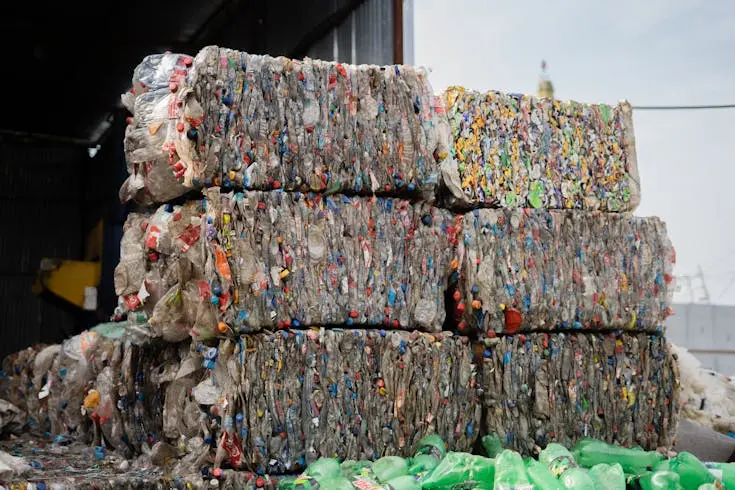
Start by defining your niche clearly. Indonesian regulations categorize waste differently, including:
- Non-hazardous waste (plastic, paper, metal)
- Hazardous waste (B3 waste)
- Waste-to-energy processing
Your business model determines licensing complexity. For example, handling hazardous waste triggers stricter compliance under environmental law.
Step 2: Choose the Correct Legal Structure (PT PMA)
Foreign investors must establish a PT PMA (foreign-owned company) to operate legally and generate revenue in Indonesia.
Key requirements:
- Minimum 2 shareholders
- Minimum investment plan: IDR 10 billion
- Registered business classification (KBLI)
- Registration via OSS system
The OSS platform issues your NIB (Business Identification Number) and core licenses.
Step 3: Select the Appropriate KBLI Code
Your recycling activity must align with Indonesia’s KBLI classification system. This determines:
- Business eligibility for foreign ownership
- Required licenses
- Risk-based OSS classification
Incorrect KBLI selection can delay approvals or cause compliance issues.
Step 4: Obtain Environmental Approval (Critical Step)
Recycling businesses are categorized as environmentally impactful. You must secure:
1. Environmental Approval (Persetujuan Lingkungan)
Based on:
- AMDAL (high-risk projects)
- UKL-UPL (medium risk)
2. Waste Management Permits
Including:
- Waste collection permit
- Waste processing permit
- Storage and transportation approvals
Environmental compliance is mandatory under Law No. 32 of 2009 and GR 22/2021.
Read our article for more information about Waste Management Regulations in Indonesia
Step 5: Comply with Waste Management Obligations
Indonesia enforces the 3R principle (Reduce, Reuse, Recycle) under Law No. 18/2008.
Your business must:
- Minimize waste generation
- Ensure recyclability of materials
- Implement proper sorting and processing systems
Additionally, producers are responsible for their product lifecycle (Extended Producer Responsibility).
Step 6: Secure Operational Licenses via OSS
After environmental approval, complete your operational licensing:
- NIB (Business Identification Number)
- Business License (Izin Usaha)
- Commercial/Operational License
- Sector-specific permits
All are processed via OSS and supervised by BKPM.
Step 7: Prepare Facility and Location Compliance
Recycling operations must comply with zoning rules:
- Industrial activities must be in designated industrial zones
- Facilities must meet environmental and safety standards
- Waste storage must follow strict labeling and handling rules
Improper location setup can result in permit rejection.
Step 8: Build Partnerships and Supply Chain
Unlike other industries, recycling depends heavily on:
- Waste collection networks
- Local government cooperation
- Informal sector integration
Indonesia’s recycling ecosystem still relies on decentralized waste collection systems.
Setting up a recycling business in Indonesia involves multiple layers of legal, environmental, and operational compliance.
Before you proceed, we recommend reading How InvestinAsia Simplifies the PT PMA Incorporation Journey to understand how the process can be streamlined.
At InvestinAsia, we support you with:
- PT PMA incorporation
- KBLI classification alignment
- OSS registration and licensing
- Environmental permit coordination
Start your company setup here: Indonesia PT PMA Company Registration Services
FAQs
What license is required for a recycling business in Indonesia?
You need a business license (OSS), environmental approval (AMDAL or UKL-UPL), and waste management permits depending on your activities.
Can foreigners fully own a recycling business in Indonesia?
Yes, in most cases through a PT PMA, but ownership limits depend on KBLI classification.
Is environmental approval mandatory?
Yes. Recycling businesses must obtain environmental approval before operations begin.
What is the 3R principle in Indonesia?
It refers to Reduce, Reuse, and Recycle, mandated under Law No. 18 of 2008.
How long does it take to start a recycling company?
Typically 1–3 months for incorporation, but environmental permits can extend the timeline.
References
- https://peraturan.bpk.go.id/Details/39067
- https://peraturan.bpk.go.id/Details/5295
- https://business-indonesia.org/waste_management