Indonesia’s e-commerce sector recorded a gross merchandise value of approximately USD 75 billion in 2024, and every order shipped across the archipelago requires packaging. According to Mordor Intelligence, the Indonesia plastic packaging market stood at USD 10.47 billion in 2025 and is on track to reach USD 14.45 billion by 2030, growing at a 6.65% CAGR. The primary engine behind this expansion is the same force transforming the broader economy: the rapid rise of digital commerce, led by platforms such as Shopee and Tokopedia. For foreign investors evaluating manufacturing opportunities in Southeast Asia, the convergence of e-commerce growth and packaging demand in Indonesia represents one of the most data-backed investment cases in the region today.
This article examines the mechanics of that relationship, the specific packaging types in highest demand, the regulatory environment shaping the sector’s future, and what entry into the Indonesian plastic packaging industry actually looks like for a foreign company.
Also Read: E-commerce Industry Growth in Indonesia: Market Scale, Regulation, and Investor Opportunities
The Scale of Indonesia’s E-commerce Expansion
Indonesia is the largest e-commerce market in Southeast Asia by transaction value, a position it has held consistently as digital adoption accelerates beyond Java into Tier 2 and Tier 3 cities. Internet penetration reached 79.5% in early 2024, and over 70% of online transactions already occur through smartphones, according to Mordor Intelligence’s 2026 Indonesia E-commerce Market report. Projections from multiple analysts place the market between USD 94 billion and USD 230 billion by 2032, depending on the modeling methodology, but the directional consensus is unambiguous: sustained double-digit growth through the decade.
Shopee holds approximately 46% of total e-commerce GMV in 2025, according to Momentum Works data cited by Databoks Katadata. The April 2025 completion of the TikTok-Tokopedia integration embedded social commerce directly into transactional flows, while Shopee deployed 200 micro-fulfillment centers across provincial cities following a USD 120 million logistics investment. Each of these structural developments compounds the volume of parcels requiring packaging, particularly flexible and protective formats capable of surviving inter-island transit.
The food and beverage sub-sector within e-commerce is growing at a 21.55% CAGR, the fastest of any category, and is pushing demand for high-barrier pouches, tamper-evident seals, and moisture-resistant films. Live commerce now accounts for 20% of online GMV in 2025 (up from under 5% in 2022), further accelerating impulse purchasing of packaged consumer goods.
Why E-commerce Growth Directly Translates to Packaging Demand
The relationship between e-commerce and plastic packaging is structural, not incidental. Unlike brick-and-mortar retail, where products are shelved and handled in store environments, online commerce requires every item to survive a multi-point logistics chain: warehouse pick-and-pack, sortation hub, inter-city transport, and last-mile delivery. Indonesia’s geography intensifies this requirement. With over 17,000 islands and logistics corridors connecting Sumatra, Kalimantan, Sulawesi, and Papua to Java, packaging must protect products against humidity, compression, and extended transit times that would be unusual in a single-island market.
According to the Mordor Intelligence Indonesia Plastic Packaging Market report published in January 2026, Indonesia’s digital marketplace recorded unprecedented parcel volumes in 2024, creating pressure on converters to supply protective films, tamper-evident pouches, and space-efficient mailers. PT Pos Indonesia’s automated sortation hubs have introduced standardized parcel dimensions, rewarding suppliers that meet dimensional accuracy targets. Meanwhile, e-commerce platforms now include recycled-content or compostable packaging in vendor scorecards, creating a dual demand signal: more packaging volume and higher-specification packaging.
The packaging application segment already accounts for 48% of total plastic market share in Indonesia as of 2025, per GMI Research. The Indonesian Packaging Federation (FPI) projects the plastic packaging sector will grow between 3% and 4% annually, with rigid and flexible packaging together comprising over half of total demand.
Also read: Top 10 Biggest E-commerce Companies in Indonesia
The Specific Packaging Types Driving E-commerce Demand
Flexible Pouches and Films
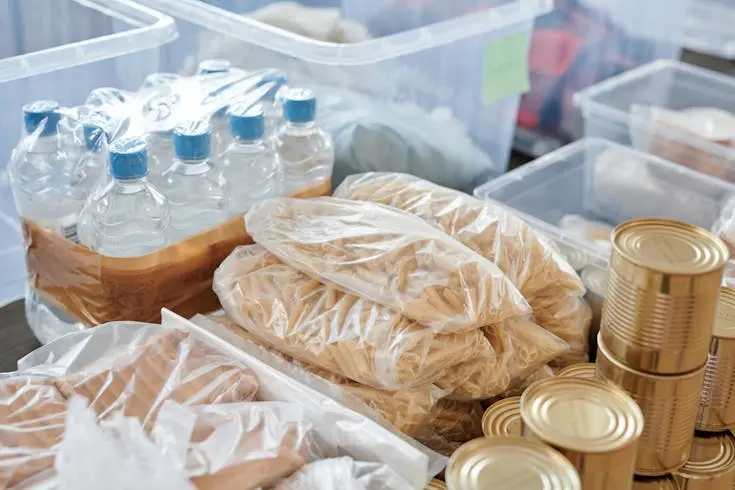
Flexible packaging captured 54.23% of total plastic packaging revenue in Indonesia in 2024, and pouches specifically led with a 34.32% share of the market, according to Mordor Intelligence. Pouches are preferred for condiments, coffee, snack foods, and infant products that require hermetic seals and consumer-friendly spouts. Stretch and shrink films, the backbone of protective outer wrapping in e-commerce parcels, are forecast to expand at an 8.11% annual CAGR through 2030, the fastest growth rate of any packaging sub-segment.
Protective Mailers and Transit Packaging
The rise of small-parcel e-commerce has created strong demand for lightweight, puncture-resistant mailer films and bubble-lined envelopes. These formats allow e-commerce sellers to minimize shipping weight while protecting goods against the mechanical stress of automated sortation systems. As Shopee and Tokopedia expand micro-fulfillment centers into provincial cities, the geographic reach of these packaging formats extends with them.
Food-Grade and High-Barrier Packaging
The mandatory halal labeling requirement introduced in October 2024 requires clear, durable printing that survives Indonesia’s humid, multi-island supply chain. This regulatory change has pushed brands toward high-barrier multi-layer films that preserve product integrity, directly benefiting manufacturers of oxygen-barrier and moisture-barrier packaging structures. The food industry held 29.32% of total Indonesian plastic packaging consumption in 2024, with cosmetics and personal care on track for an 8.09% CAGR through 2030.
PET Bottles and Recycled-Content Packaging
PET is the fastest-growing material in Indonesian plastic packaging, recording a 7.45% annual CAGR forecast through 2030. The beverage industry, growing at 4.8% per year, drives PET demand for its recyclability and chemical resistance. Coca-Cola Indonesia launched packaging made entirely from recycled PET (rPET) in 2024, signaling both the consumer goods industry’s direction and the investment opportunity in food-grade rPET supply.
For a broader perspective on the manufacturing sectors that packaging serves, see InvestinAsia’s overview of the Indonesia manufacturing industry outlook and opportunities.
Food and Beverage: The Largest Packaging Consumer
No sector generates more demand for plastic packaging in Indonesia than food and beverage. The F&B industry contributed 7.15% to Indonesia’s GDP in the first half of 2024 and is projected to grow by 4.53% annually. Packaged food and beverage sales reached USD 40.11 billion in 2023, and the combination of a rising middle class, urban lifestyle shifts, and expanding e-commerce grocery channels is accelerating this growth.
Convenience foods, ready-to-eat meals, single-serve sachets, and premium snacks all require flexible plastic packaging that is lightweight, moisture-resistant, and visually printable for branding. Food processors hold nearly 30% of total plastic packaging consumption in Indonesia, and the shift toward online grocery channels adds a second packaging layer: transit protection on top of product packaging.
For investors entering this space, regulatory compliance adds an important dimension. The Badan Pengawas Obat dan Makanan (BPOM) regulates food-contact packaging materials, and manufacturers must ensure packaging complies with Indonesia’s food safety standards. For a detailed look at BPOM’s regulatory role, visit InvestinAsia’s guide to BPOM Indonesia: its role and regulation. For a full investor roadmap on the sector, InvestinAsia’s analysis of the food and beverage industry in Indonesia covers compliance, distribution, and entry strategies in detail.
Packaging demand is rising. Entering Indonesia’s manufacturing sector as a foreign company requires the right legal structure.
InvestinAsia’s 380+ in-house team has guided foreign investors through PT PMA registration across manufacturing, FMCG, and logistics sectors, with company incorporation completed in as few as 10 working days.
The Regulatory Environment: EPR and Sustainable Packaging
Indonesia’s regulatory landscape for plastic packaging is undergoing a substantive shift that creates both compliance obligations and investment opportunities. The government’s Extended Producer Responsibility (EPR) framework, grounded in Law No. 18/2008 on Solid Waste Management and Ministry of Environment Regulation No. P.75/2019, mandates that producers reduce packaging waste by 30% by 2029. In 2025, Indonesia moved EPR from a voluntary initiative to a mandatory obligation, requiring plastic producers and importers to take direct responsibility for collection, sorting, recycling, and disposal of their packaging across the value chain.
By the end of 2029, single-use plastic items including polystyrene food containers, plastic cutlery, plastic straws, and certain types of shopping bags are scheduled for full phase-out. Indonesia also banned plastic scrap imports effective January 1, 2025, tightening domestic feedstock availability and creating demand for domestic recycling capacity. The ADB and LEAP jointly financed a USD 44.2 million facility with PT ALBA Tridi in December 2024 to build a PET recycling plant in Central Java, illustrating the investment scale entering this adjacent space.
For investors, EPR compliance functions simultaneously as a market entry barrier (raising the technical and financial threshold for new producers) and as a competitive moat for early movers who invest in recyclable or compostable formats ahead of the regulation deadline. E-commerce platforms including Shopee are already including recycled-content packaging criteria in vendor scorecards, accelerating commercial demand for sustainable packaging solutions ahead of regulatory mandates.
Indonesia recycles less than 25% of its total waste, with plastic recycling estimated at around 10% nationally. This gap between waste generation and recycling capacity defines both a problem and a business opportunity. InvestinAsia’s analysis of the recycling industry in Indonesia covers the regulatory framework, investment structure, and sector entry points for foreign investors.
The Investment Opportunity for Foreign Manufacturers
The Indonesian plastic packaging sector presents a multi-layered opportunity for foreign investors. On the demand side, a USD 10.47 billion market growing at 6.65% annually, anchored by the world’s third-largest e-commerce market and a food and beverage sector generating USD 40 billion in packaged goods sales per year, creates durable, structural volume. On the supply side, Indonesia’s domestic upstream utilization fell below 55% in early 2024 due to cheaper imports, creating a gap that foreign manufacturers with competitive production capabilities can address.
Java remains the geographic center of the market, where Greater Jakarta holds over 40% of warehouse and manufacturing capacity. For a logistics and infrastructure perspective, InvestinAsia’s guide to Indonesia’s warehouse industry covers locations, licensing, and bonded warehouse options. Central Java, particularly the Kendal Special Economic Zone, offers competitive labor costs and growing industrial infrastructure. East Java anchors access to Eastern Indonesia’s logistics corridors.
Key players in the market include Amcor, Tetra Pak, PT Dynapack Asia, PT Berlina, and ALPLA. The market remains fragmented, with the top players holding approximately 40% combined share and the remaining 60% distributed across numerous smaller domestic and regional producers. This fragmentation creates entry space for focused foreign investors bringing capital, barrier-film technology, or sustainable packaging capabilities.
Foreign investors also have a range of sector-adjacent opportunities beyond direct plastic manufacturing. For a structured view of Indonesia’s highest-return investment sectors, InvestinAsia’s guide to what to invest in Indonesia provides a sector-by-sector breakdown. For those exploring eco-friendly packaging as a business entry point, InvestinAsia’s overview of 25 profitable business ideas in Indonesia includes sustainable packaging among the highest-potential opportunities.
Market Size at a Glance
| Metric | Value | Source / Year |
|---|---|---|
| Indonesia plastic packaging market size | USD 10.47 billion | Mordor Intelligence, 2025 |
| Projected market size by 2030 | USD 14.45 billion | Mordor Intelligence |
| Market CAGR (2025-2030) | 6.65% | Mordor Intelligence |
| Indonesia e-commerce GMV (2024) | ~USD 75 billion | Multiple analysts |
| Packaging share of total plastic market | 48% | GMI Research, 2025 |
| Flexible packaging market share (2024) | 54.23% of plastic packaging revenue | Mordor Intelligence |
| Films and wraps CAGR through 2030 | 8.11% | Mordor Intelligence |
| EPR waste reduction target | 30% by 2029 | MoEF Regulation P.75/2019 |
How Foreign Investors Enter Indonesia’s Packaging Sector
Foreign investors wishing to manufacture or distribute plastic packaging in Indonesia must establish a PT PMA (Perseroan Terbatas Penanaman Modal Asing), the only legal structure through which foreign entities can conduct commercial operations, hire employees, and generate revenue in the country. Plastic and packaging manufacturing falls under Indonesia’s Positive Investment List (Presidential Regulation No. 10 of 2021), and most sub-sectors within plastic product manufacturing allow 100% foreign ownership.
In October 2025, the Ministry of Investment issued BKPM Regulation No. 5 of 2025, reducing the minimum paid-up capital for a PT PMA from IDR 10 billion to IDR 2.5 billion (approximately USD 150,000), a 75% reduction that represents one of the most significant reductions in foreign investment entry costs Indonesia has introduced in recent years. The total investment plan commitment remains at IDR 10 billion, but the paid-up capital threshold reduction lowers the cash requirement at the point of incorporation.
The registration process covers company name verification, notarized Articles of Association, Ministry of Law and Human Rights (Kemenkumham) approval, NPWP (tax ID) registration, and Business Identification Number (NIB) issuance through the OSS system. Selecting the correct KBLI code for plastic packaging manufacturing is critical, as different codes carry different ownership limits and licensing requirements.
Learn How to Register Your PT PMA in Indonesia 100% Remotely with InvestinAsia
Ready to explore plastic packaging manufacturing in Indonesia?
InvestinAsia simplifies PT PMA setup for foreign manufacturers: KBLI classification, OSS licensing, BKPM coordination, and ongoing compliance support, all handled by an in-house team of 380+ specialists.
Frequently Asked Questions
Why is Indonesia’s plastic packaging market growing so fast?
The primary driver is the intersection of e-commerce growth and urbanization. As digital commerce expands beyond Java into provincial cities, every additional shipment requires protective and product packaging. Indonesia’s food and beverage sector, growing at 4-5% annually, compounds this demand. Population growth, a rising middle class, and increasing consumption of packaged goods all reinforce the trend. The Indonesian Packaging Federation projects plastic packaging sector growth of 3-4% per year, while broader market research places the overall plastic packaging CAGR above 6% through 2030.
Which types of plastic packaging are most in demand because of e-commerce?
Flexible packaging formats lead demand. Stretch and shrink films used in outer parcel wrapping are growing at 8.11% annually, driven by the need to protect goods during inter-island transit. Pouches dominate within flexible formats, holding over 34% of market revenue in 2024. Tamper-evident mailers, high-barrier multi-layer films for food products, and lightweight polypropylene bags round out the e-commerce packaging mix. PET is the fastest-growing material overall, with a 7.45% forecast CAGR through 2030, partly driven by recycled-content beverage applications.
What are Indonesia’s EPR regulations and how do they affect the packaging industry?
Indonesia’s Extended Producer Responsibility (EPR) framework, established under Ministry of Environment Regulation No. P.75/2019, requires packaging producers to reduce waste by 30% by 2029 and mandates the phase-out of specific single-use plastic items including polystyrene food containers, plastic cutlery, and shopping bags by end-2029. In 2025, EPR moved from voluntary to mandatory, requiring producers to take direct accountability for collection, recycling, and disposal of their packaging. This creates compliance costs for existing players and a market opening for investors bringing sustainable or recyclable packaging technologies.
Can a foreign company invest in plastic packaging manufacturing in Indonesia?
Yes. Most plastic product manufacturing sectors are open to 100% foreign ownership under Indonesia’s Positive Investment List (Presidential Regulation No. 10 of 2021). Foreign investors must establish a PT PMA, Indonesia’s foreign-owned limited liability company structure. The minimum investment plan is IDR 10 billion, with a paid-up capital threshold of IDR 2.5 billion following BKPM Regulation No. 5 of 2025. KBLI code selection determines exact ownership limits and licensing requirements for specific packaging activities.
Which regions in Indonesia are best for plastic packaging manufacturing investment?
Greater Jakarta (West Java and Banten corridor) holds the largest share of packaging manufacturing capacity and offers the strongest access to consumer markets and logistics infrastructure, including Tanjung Priok port. Central Java, particularly the Kendal Special Economic Zone, offers competitive labor costs and favorable industrial zone incentives. East Java, anchored by Surabaya’s Tanjung Perak port, provides gateway access to Eastern Indonesia’s growing market. Java accounts for the majority of domestic plastic consumption and manufacturing activity.
How does InvestinAsia help foreign investors enter Indonesia’s packaging sector?
InvestinAsia provides end-to-end PT PMA registration services, including company name verification, notarial documentation, Ministry of Law and Human Rights (Kemenkumham) submission, NPWP and NIB registration through the OSS system, and licensing coordination with BKPM. For packaging manufacturers, InvestinAsia’s team handles KBLI classification, import approvals, and ongoing compliance including LKPM quarterly reporting. Standard PT PMA incorporation is completed within 10 working days after deed signing.
References
- Mordor Intelligence. (2026). Indonesia Plastic Packaging Market: Size, Share and Industry Analysis (2025-2030). Retrieved from https://www.mordorintelligence.com/industry-reports/indonesia-plastic-packaging-market
- IMARC Group. (2025). Indonesia Plastics Market: Industry Trends, Share, Size, Growth, Opportunity and Forecasts 2025-2033. Retrieved from https://www.imarcgroup.com/indonesia-plastics-market
- Mordor Intelligence. (2026). Indonesia E-commerce Market: Size, Share and Industry Analysis. Retrieved from https://www.mordorintelligence.com/industry-reports/indonesia-ecommerce-market
- GMI Research. (2026). Indonesia Plastic Market Size, Growth, Trends and Forecast 2033. Retrieved from https://www.gmiresearch.com/report/indonesia-plastic-market/
- Ministry of Environment and Forestry of Indonesia (KLHK). (2019). Minister of Environment and Forestry Regulation No. P.75/2019: Roadmap to Waste Reduction by Producers. Retrieved from https://rkcmpd-eria.org/extended-producer-responsibility/legal-framework
- SUPRA International. (2025). Extended Producer Responsibility and Plastic Management in Indonesia. Retrieved from https://www.supra-international.com/insights/extended-producer-responsibility-and-plastic-management-in-indonesia
- Mordor Intelligence. (2025). Indonesia Flexible Packaging Market: Size, Share and Industry Analysis (2026-2031). Retrieved from https://www.mordorintelligence.com/industry-reports/indonesia-flexible-packaging-market