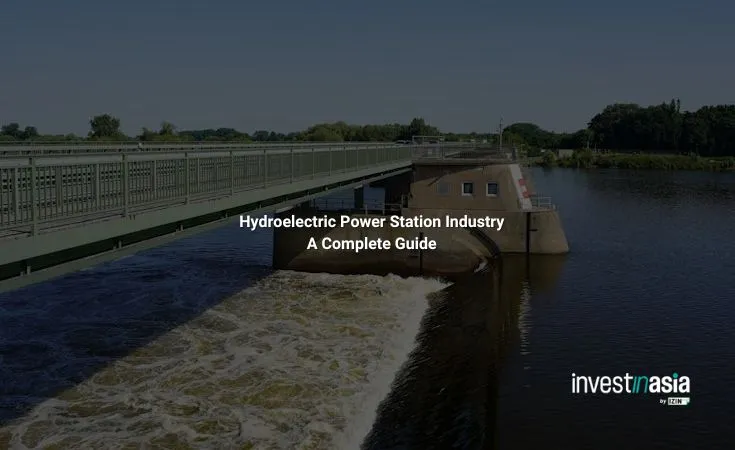
Indonesia’s hydroelectric power station industry encompasses the development, ownership, and operation of large-scale, mini-hydro, and micro-hydro power plants that convert river flow and water elevation into grid-connected and captive electricity. The sector is supported by approximately 75 gigawatts of technically feasible hydropower potential, while only 6.57 gigawatts are currently operational, positioning Indonesia as one of Asia’s most underdeveloped hydropower markets.
Hydroelectric power stations in Indonesia serve as baseload renewable infrastructure, delivering high capacity factors, long asset lifespans exceeding 50 years, and cost-competitive electricity under long-term PLN power purchase agreements (PPAs). Driven by national energy transition targets, rising electricity demand of ~6 percent annually, and government-backed licensing frameworks, the hydroelectric power station industry in Indonesia offers a scalable, policy-aligned entry point for domestic and foreign infrastructure investors.
At InvestinAsia, we see hydroelectric power stations as a cornerstone of Indonesia’s renewable energy transition and a strategic entry point for investors seeking stable infrastructure returns.
Also read; Major Industries in Indonesia (Based on Contribution to GDP)
Industry Overview and Market Potential
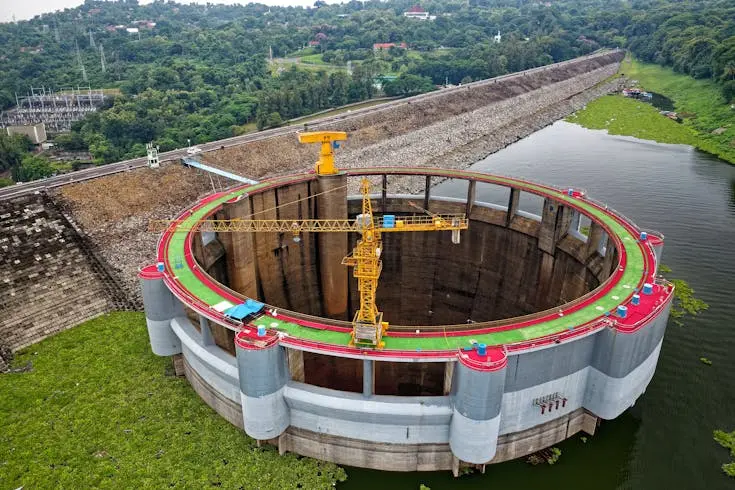
Hydropower is the backbone of Indonesia’s renewable electricity mix, contributing more than half of total renewable generation. The industry spans three main segments: large-scale hydroelectric plants, mini-hydro projects, and micro-hydro systems serving rural and industrial self-use needs. Electricity demand continues to grow at around 6 percent annually, creating structural demand for reliable baseload generation.
Unlike solar or wind, hydroelectric power delivers continuous output and grid stability. This makes it particularly valuable as Indonesia integrates variable renewables under its national energy transition roadmap and JETP commitments.
Regional Opportunities and Strategic Locations
Indonesia’s hydroelectric potential is geographically diverse, creating multiple strategic entry points for investors. Each region offers distinct commercial and operational characteristics.
Key regional opportunities include:
Kalimantan
- One of Indonesia’s largest untapped hydropower reserves.
- Suitable for large-scale and cascade hydroelectric projects.
- Supported by industrial growth and the development of Nusantara, the new capital.
- Lower population density reduces land competition, but infrastructure development timelines are longer.
Papua
- Extremely high technical hydroelectric potential.
- Ideal for long-term, strategic energy infrastructure projects.
- Higher environmental and social sensitivity requires careful planning and community engagement.
- Strong alignment with government electrification and regional development priorities.
Sumatra
- Abundant river systems suitable for mini and medium-scale hydroelectric plants.
- Relatively mature infrastructure and easier grid access compared to eastern regions.
- Attractive for foreign investors seeking balanced risk and faster commercialization.
- Growing industrial demand strengthens long-term power offtake prospects.
Sulawesi
- Emerging energy market with significant underdeveloped capacity.
- Strategic importance for eastern Indonesia’s economic growth.
- Increasing government and PLN focus through new hydroelectric tenders.
- Favorable environment for first-mover advantages.
Java
- Highest electricity demand concentration in Indonesia.
- Limited remaining hydropower potential, but strong grid connectivity.
- Intense competition for grid access and land.
- Suitable for experienced developers prioritizing demand proximity over resource scale.
Eastern Indonesia (Maluku, Nusa Tenggara)
- Smaller, dispersed markets with higher per-unit delivery costs.
- Qualifies for higher tariff multipliers under government pricing frameworks.
- Strong political support for renewable electrification projects.
- Attractive for impact-oriented and long-term investors.
Industry Structure and Key Players
PLN remains the sole electricity offtaker for grid-connected power and controls transmission infrastructure. However, independent power producers now deliver a significant share of new capacity. PLN Nusantara Renewables and foreign-backed developers demonstrate how public-private collaboration shapes the sector.
For investors, understanding PLN’s procurement process and power purchase agreement structure is critical. Long-term PPAs underpin project bankability and enable access to competitive financing.
Licensing, Legal Structure, and Compliance
Hydroelectric power stations are regulated through a structured licensing regime administered via the OSS system. License requirements vary by capacity, ranging from simplified reporting for micro-hydro to full IUPTLU licensing for grid-scale projects.
Foreign investors must establish a PT PMA to operate legally. This structure allows full participation in electricity generation, project financing, and PPA execution.
At this stage, we often support clients through InvestinAsia’s PT PMA registration services, ensuring compliance with BKPM, MEMR, and OSS requirements while aligning the business structure with long-term project goals.
Ecosystem and Infrastructure Readiness
The hydroelectric ecosystem includes developers, EPC contractors, turbine suppliers, financiers, regulators, and local communities. Indonesia increasingly enforces local content requirements while still relying on international expertise for specialized equipment. Transmission expansion and grid modernization under the national power plan further strengthen long-term viability.
Advantages and Challenges
Indonesia’s hydroelectric industry offers compelling structural advantages, balanced by operational and regulatory challenges that require informed management.
Key advantages include:
- Extensive Untapped Resources
- Over 75 GW of estimated hydroelectric potential.
- Less than 10 percent currently developed, creating long-term growth runway.
- Strong Economic Fundamentals
- Low levelized cost of electricity compared to other renewables.
- High capacity factors deliver stable and predictable revenue.
- Grid Reliability and Baseload Capability
- Continuous power generation supports grid stability.
- Complements variable renewable energy such as solar and wind.
- Long Asset Life
- Hydroelectric plants can operate for 50 years or more.
- Suitable for long-term infrastructure investment strategies.
- Government Policy Support
- Priority sector under national energy policy.
- Access to fiscal incentives, long-term PPAs, and streamlined licensing.
- Multi-Purpose Benefits
- Supports irrigation, flood control, and regional development.
- Enhances social and economic impact beyond electricity generation.
Key challenges include:
- Land Acquisition Complexity
- Overlapping land claims and customary ownership structures.
- Negotiation processes can extend project timelines.
- Environmental and Social Sensitivities
- Potential impact on ecosystems and local communities.
- Requires comprehensive environmental and social impact assessments.
- Regulatory Coordination
- Involvement of multiple ministries and regional authorities.
- Inconsistent interpretation of regulations across regions.
- Grid and Infrastructure Limitations
- Transmission capacity constraints in remote areas.
- Grid connection delays can affect project schedules.
- Financing and Capital Intensity
- High upfront capital expenditure compared to other renewables.
- Financing availability varies by project scale and location.
- Policy and Procurement Uncertainty
- Evolving tariff frameworks and procurement timelines.
- Dependence on PLN’s offtake strategy and grid planning.
Future Outlook and Regional Comparison
Hydropower outperforms other renewables in capacity factor and economic stability. Government targets indicate sustained development through 2034 and beyond, with pumped storage and run-of-river systems gaining priority. Compared with solar and wind, hydropower remains Indonesia’s most reliable renewable investment for baseload power.
Also read; Comparing Indonesia’s Foreign Business Entry Barriers vs. Other ASEAN Countries
How Foreign Investors Can Enter the Industry
Foreign investors typically begin with feasibility studies, followed by PT PMA establishment, site control, licensing, and PPA negotiation. Each phase requires careful alignment between legal, technical, and financial considerations. We advise structuring projects with long-term regulatory resilience and clear exit strategies.
Conclusion and Strategic Next Steps
Indonesia’s hydroelectric power station industry represents a multi-decade growth opportunity aligned with national energy security and global sustainability goals. For investors, early entry into underdeveloped regions and right-sized projects offers attractive risk-adjusted returns.
If you plan to establish a legally compliant energy business in Indonesia but do not yet have the required corporate structure, our complete Indonesia company registration services provide end-to-end support.
At InvestinAsia, we help you move from opportunity assessment to full legal establishment, so you can focus on building sustainable energy assets with confidence.
If you are interested in starting a hydroelectric power business in Indonesia, you can start by contacting us for FREE consultation.
FAQs
Is hydropower a priority renewable sector in Indonesia?
Yes. Hydropower is central to Indonesia’s renewable energy strategy due to its reliability and baseload capability.
Can foreign companies fully own hydroelectric projects in Indonesia?
Yes, through a PT PMA structure, foreign investors can own and operate hydroelectric projects subject to licensing and sector regulations.
Which hydropower segment is most suitable for new investors?
Mini-hydro projects offer the best balance of capital efficiency, licensing simplicity, and commercial returns.
How long does licensing typically take?
While OSS permits are issued quickly, full project readiness usually takes 12 to 24 months due to studies and approvals.