Indonesia’s plastic industry offers strong growth potential, but entering the market requires strict compliance with investment laws, environmental regulations, and sector-specific obligations. As foreign investors, you must structure your business through a PT PMA, comply with waste management laws such as Law No. 18/2008, and align with circular economy policies driven by Bappenas and the Ministry of Environment.
Indonesia is one of Southeast Asia’s largest plastic markets, driven by manufacturing demand, urban consumption, and the rapid expansion of packaging industries. This article provides a complete regulatory overview to help you navigate the landscape confidently.
Also read: Indonesia’s Plastic Industry: A Complete Overview for Foreign Investors
Key Regulations Governing the Plastic Industry
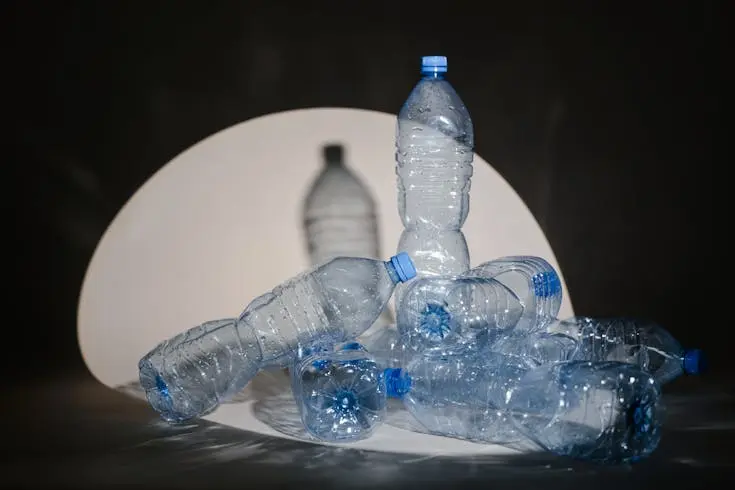
1. Waste Management Law (Law No. 18/2008)
This law forms the backbone of Indonesia’s environmental regulation. It requires businesses to:
- Manage waste responsibly
- Reduce environmental impact
- Participate in recycling initiatives
2. Government Regulations and EPR Policy
Derivative regulations such as:
- Government Regulation No. 81/2012
- Government Regulation No. 27/2020
introduce operational rules for waste handling.
Indonesia also applies Extended Producer Responsibility (EPR), meaning producers must:
- Reduce plastic waste
- Recycle packaging
- Take responsibility for product lifecycle
This is especially relevant for packaging and consumer goods companies.
Entry Requirements and Legal Structure for Foreign Investors
Foreign investors must establish a PT PMA (foreign-owned limited liability company) to operate legally in Indonesia. This structure allows you to generate revenue and hold equity ownership.
Key legal points:
- Must be incorporated as a Perseroan Terbatas under Indonesian law
- Only permitted for large-scale businesses
- Subject to sector eligibility under the Positive Investment List
According to Indonesia’s investment framework, your business classification (KBLI code) determines whether the plastic-related activity is:
- Fully open
- Partially restricted
- Closed to foreign ownership
Environmental and Operational Compliance
To operate in the plastic sector, your company must secure:
- Environmental approvals (AMDAL or UKL-UPL)
- Industrial licenses via OSS (Online Single Submission)
- Building and zoning permits
A PT PMA acts as the legal entity responsible for all compliance obligations, including environmental and labor regulations.
This becomes particularly important when selecting locations, as discussed in Best Industrial Zones in Indonesia for Plastic Manufacturing Investments.
Import, Production, and Packaging Regulations
Indonesia regulates plastic materials and packaging through:
- Food-grade labeling requirements
- Recycling codes on packaging
- Import controls on raw materials
These rules ensure product safety and support sustainability goals.
At the same time, demand is increasing rapidly due to digital growth. The E-commerce Boom and Its Impact on Plastic Packaging Demand in Indonesia highlights how logistics expansion is driving packaging consumption.
Incentives for Plastic and Recycling Investments
The Indonesian government offers both fiscal and non-fiscal incentives for:
- Recycling facilities
- Sustainable plastic production
- Circular economy initiatives
Programs supported by Bappenas and global institutions aim to:
- Increase recycling rates
- Attract foreign capital
- Promote green innovation
Limitations and Risks to Consider
Foreign investors must be aware of:
- Sector restrictions under KBLI classification
- Strict prohibition of nominee structures
- Increasing regulatory scrutiny and reporting requirements
- Environmental compliance risks
Understanding entry strategies is critical. You can explore more in How to Invest in Indonesia’s Plastic Industry.
Setting up a plastic manufacturing or recycling business in Indonesia is not just about registration. It is about aligning legal structure, licensing, and compliance from day one.
Through our experience, we have seen many investors struggle with:
- Incorrect KBLI selection
- Licensing delays
- Environmental compliance issues
That is why we created a structured approach, as explained in How InvestinAsia Simplifies the PT PMA Incorporation Journey.
Start Your Plastic Business in Indonesia with Confidence
We provide end-to-end support through InvestinAsia’s services, helping you:
- Establish a compliant legal entity
- Secure all necessary licenses
- Navigate investment restrictions
- Ensure full regulatory compliance
Start here: Indonesia PT PMA Company Registration Services for Foreigners
FAQs
What is the main law regulating plastic waste in Indonesia?
Law No. 18/2008 on Waste Management is the primary legal framework.
Can foreigners fully own a plastic manufacturing company?
Yes, depending on the KBLI classification and sector openness.
What is EPR in Indonesia?
Extended Producer Responsibility requires producers to manage post-consumer waste.
Do I need environmental permits?
Yes, environmental approvals are mandatory before operations begin.
What legal entity is required for foreign investors?
A PT PMA is required for any revenue-generating business in Indonesia.
References
- https://www.hukumonline.com/klinik/a/these-are-the-rules-for-establishing-a-foreign-investment-company-in-indonesia-lt654b73923c981/
- https://www.mdpi.com/2071-1050/14/12/6985
- https://gggi.org/bappenas-gggi-initiates-investment-policy-in-sustainable-plastic-value-chain/
- https://alpha.rkcmpd-eria.org/extended-producer-responsibility/legal-framework/Indonesia